
If you buy one jar of Greek honey, it will probably be one of these two. Thyme honey is the famous one, the honey of dry hillsides and the Greek summer. Pine honey is the everyday one, the most common honey in Greece. In our shop, “which one should I take?” comes up every day. Here is how they differ.
Nectar or honeydew
Thyme honey is a blossom honey. Bees make it from the nectar of wild thyme (Thymus capitatus), a low, woody shrub that covers stony, sunny slopes and flowers in early summer.
Pine honey is a honeydew honey, and it does not come from flowers at all. A small insect, Marchalina hellenica, lives on the bark of the pine and feeds on its sap. It gives off sweet droplets, called honeydew, which the bees collect and turn into honey. There is more in pine honey: a honeydew honey.
This difference in raw material explains almost every other one. Honeydew honeys are usually darker and less sweet than blossom honeys, and they take longer to crystallise.
Taste, colour and crystallisation
- Thyme: pale gold, almost sunlit. A strong, unmistakable thyme aroma, a clean sweetness and a faint herbal bitterness at the end.
- Pine: deep amber. Less sweet, with notes of resin and damp wood and a full, almost savoury finish. Pine honey from the autumn harvest is darker than the honey of spring.
Put simply: thyme honey tastes of the flowers on the hillside, and pine honey tastes of the forest. If you taste them one after the other, start with the thyme and move on to the deeper pine, just as you would always go from light honeys to dark ones.
Both are slow to crystallise. Thyme honey usually stays liquid for six to twelve months, then sets to a fine, smooth grain. Pine honey crystallises even more slowly and often stays runny for a long time, because honeydew honeys hold relatively little glucose. The speed says nothing about quality; see why honey crystallises.
Where ours come from
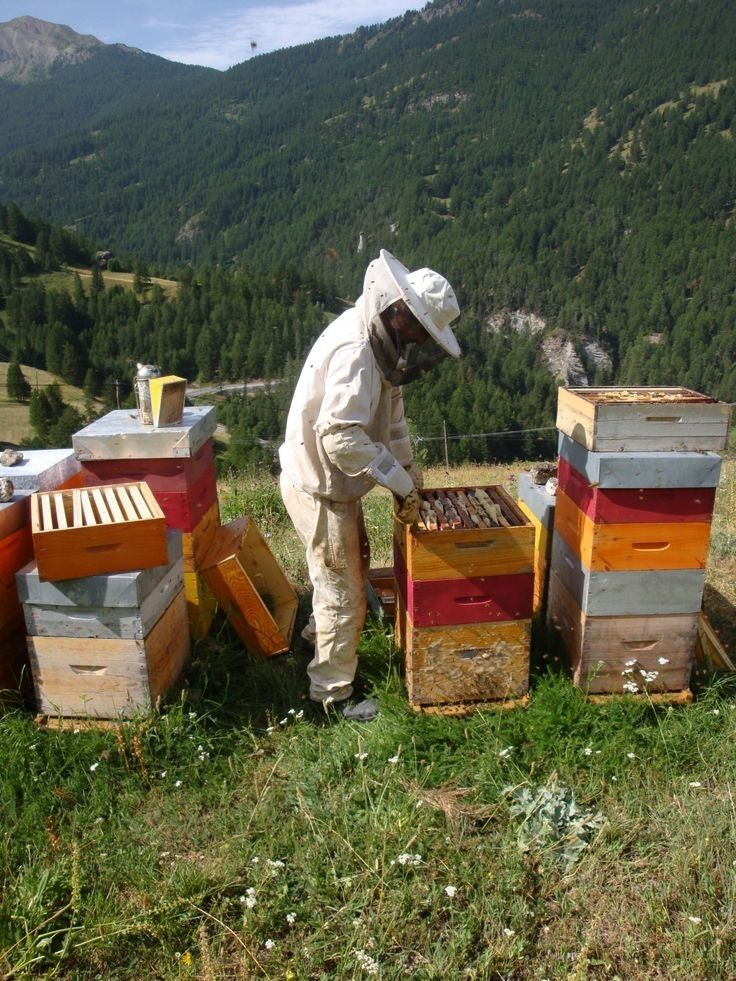
Thyme grows across much of Greece. Our thyme honey comes from Mount Kithaironas, the Mani and Crete, from hives that our beekeepers move to the thyme at the start of summer. The harvest is in late June. Each place gives a slightly different jar, because other wild plants flower alongside the thyme.
Greek pine honey comes mainly from Euboea, Halkidiki and Thasos, where the pine forests are large. Our pine honey comes from central Euboea. Both are raw, unfiltered and never heated.
In the kitchen
- Thyme: over strained yoghurt, in mountain tea with lemon, on fresh mizithra or with feta and walnuts. Its aroma is the point, so use it where you can taste it.
- Pine: with aged kefalotyri, on wholemeal bread, in marinades for roast meat or in black tea. Its gentler sweetness makes it easy to cook with.
Price, and how to choose
In Greece, thyme honey usually costs more than pine honey. Thyme flowers for only a few weeks in early summer and the harvest is smaller, while pine honey is made in far larger amounts.
As a gift, thyme honey is the classic choice for someone who is new to Greek honey. Pine honey suits people who prefer less sweetness, or who love cheese.
If you like floral, aromatic honey, take thyme. If you prefer something less sweet, woody and deep, take pine. Better still, taste both: our honey tasting set has small jars of each, with forest, oak and arbutus honey alongside.
Or come to our shop at Asklipiou 24 and taste them side by side; see our visit page. Every variety is described in our honey guide.


