Sooner or later it happens to almost every jar. The honey turns cloudy, then thick, then firm enough to hold a spoon upright. Customers sometimes bring a jar like this to our shop, worried that it has gone off or that someone added sugar. Neither is true. Crystallisation is one of the most natural things honey does.
What happens inside the jar
Honey is mostly two sugars, fructose and glucose, dissolved in a little water, usually less than a fifth of its weight. That is more sugar than the water can comfortably hold. Glucose is the less soluble of the two, so over time it comes out of the solution as tiny crystals. Fructose stays liquid around them. The result is the same honey with a different texture.
Crystals need something to start on. Grains of pollen, tiny pieces of wax and air bubbles all act as starting points. This is why raw, unfiltered honey, which keeps its pollen, often sets sooner than honey that has been heated and filtered. Large packers often heat and filter honey precisely so that it stays clear on the shelf. Our own honey is raw and unfiltered, so each variety crystallises in its own time.
What decides how fast it sets
- The balance of sugars. The more glucose a honey holds compared with fructose, the faster it crystallises. The plants the bees visited decide this.
- Temperature. Honey crystallises fastest at around 14 °C, the temperature of a cool cupboard in winter. Warmth slows it down. Do not keep honey in the fridge, where it turns very thick and hard to spoon.
- Variety. This is the biggest difference you will notice from jar to jar.
Each variety has its own rhythm. Based on our honey guide and our own jars:
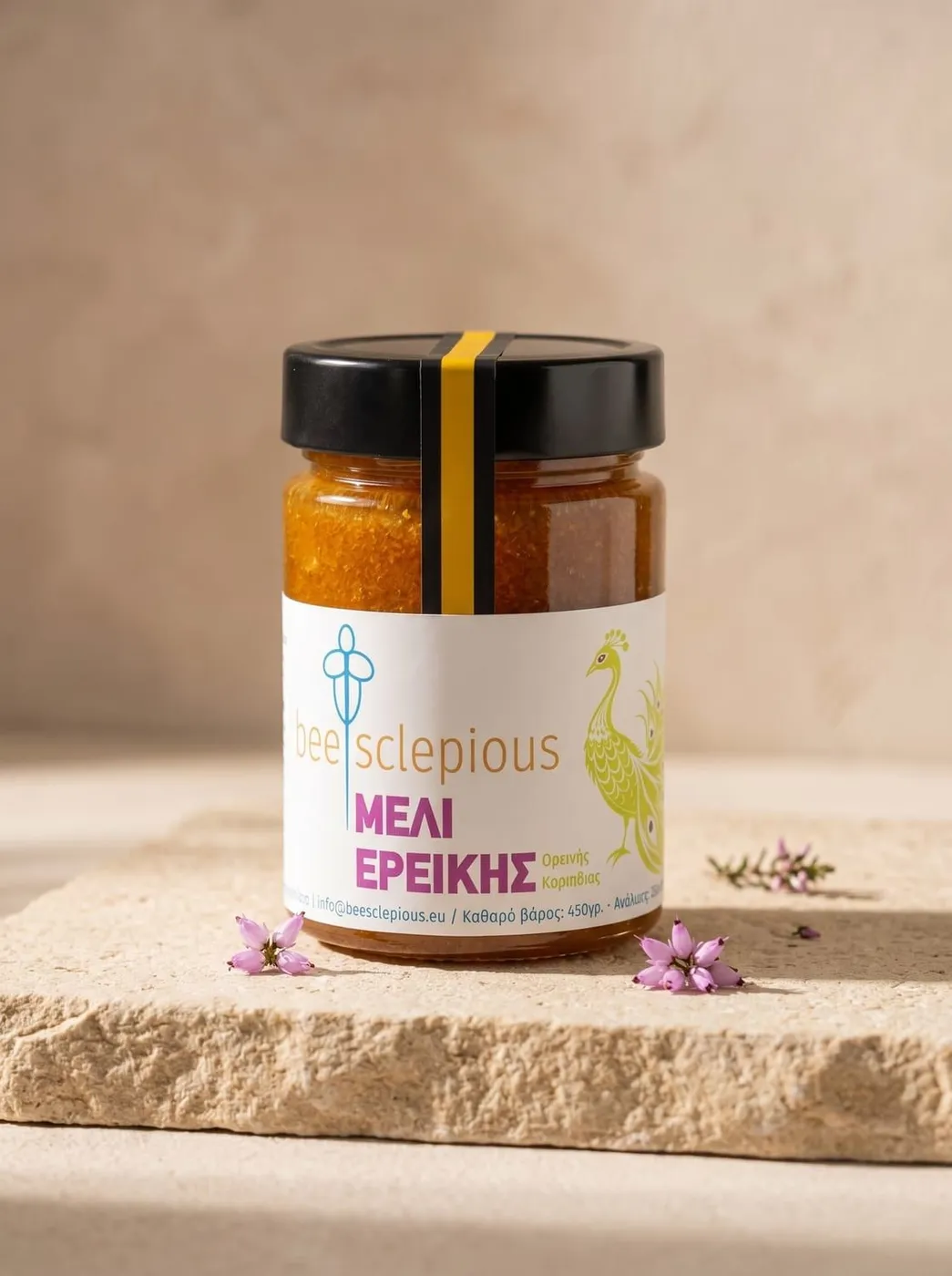
- Fast: heather honey sets very quickly, often within one to three months. Orange blossom honey follows within three to five months, to a fine, creamy grain, and wildflower honey within a few months.
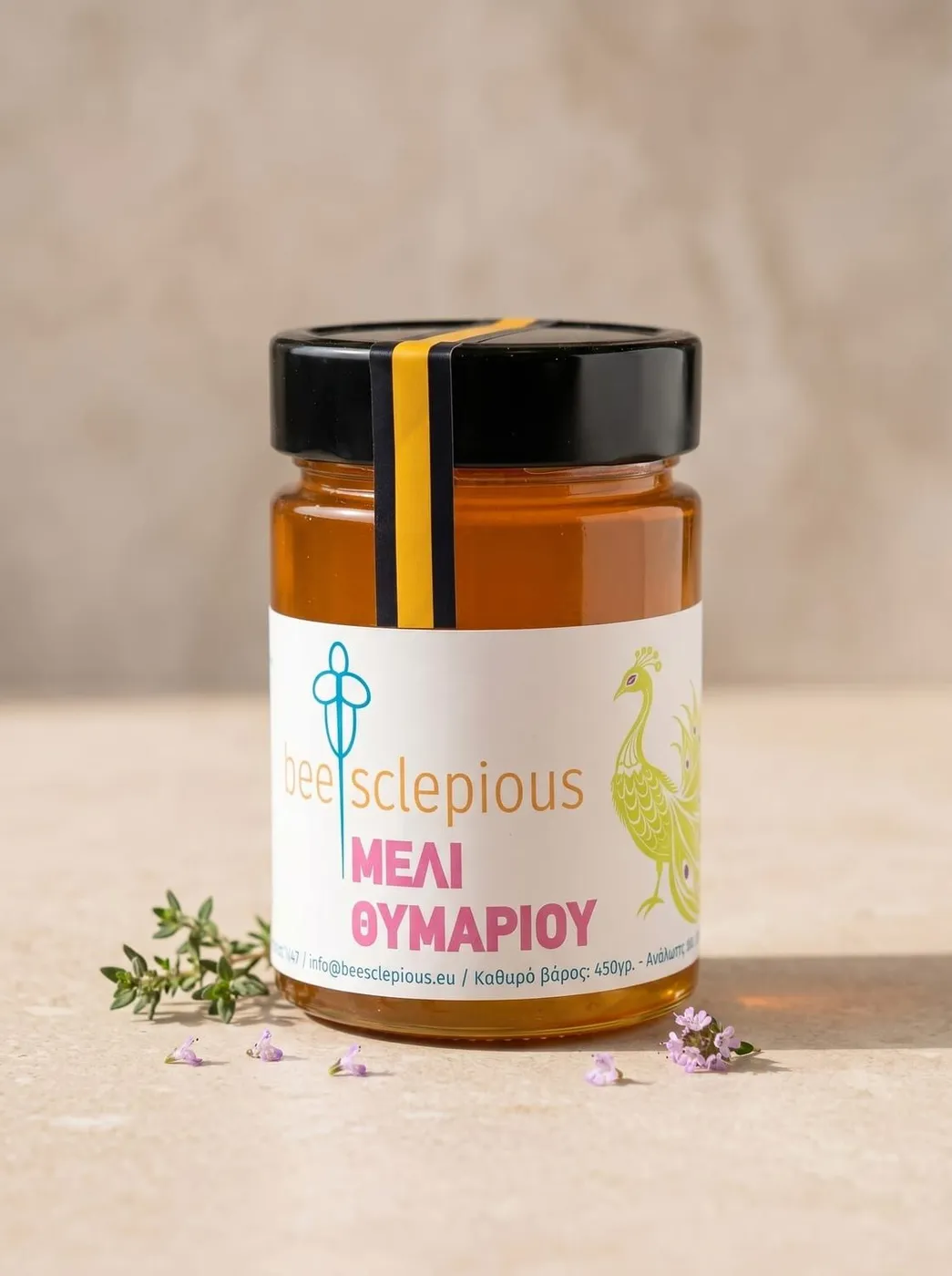
- Slow: thyme honey usually stays liquid for six to twelve months before it sets to a fine grain. Sage and chestnut honeys are slow too.
- Very slow: fir and oak honeys stay runny for a long time, and pine honey often never sets at all.
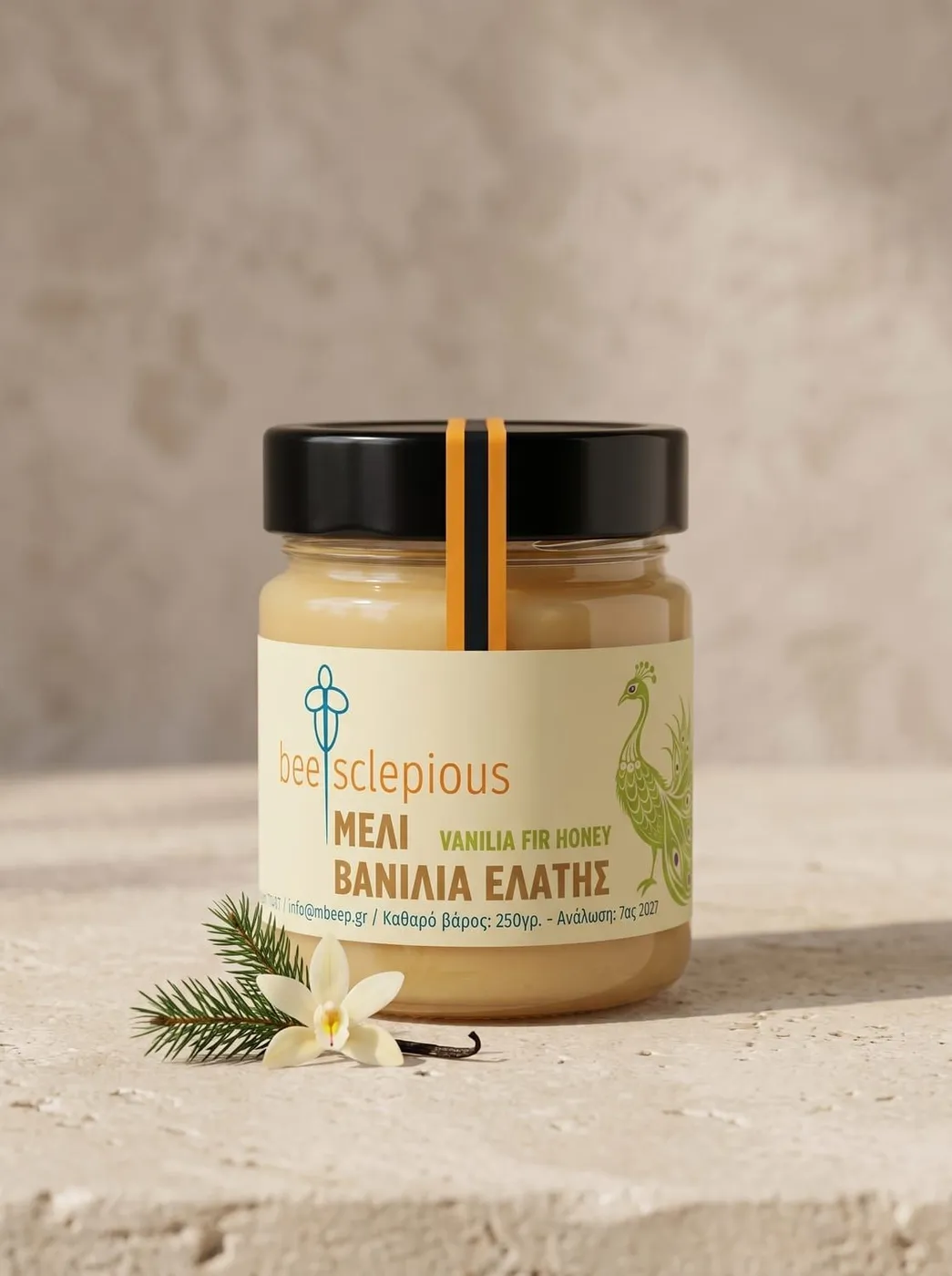
- Almost never: vanilla fir honey does not crystallise; it stays thick and runny.
Pine, fir and oak honeys are honeydew honeys: bees make them from sweet secretions that they collect from trees, not from flower nectar. They hold relatively little glucose, which is why they stay liquid for so long.
Is crystallised honey still good?
Yes. The taste and the aroma do not change; only the texture does. Many people prefer set honey: it does not drip, it spreads like butter on warm bread, and it melts slowly into hot tea.
A few things look odd but are normal: white streaks or a “frosted” pattern on the inside of the glass, a thin white layer on top, or a jar that sets at the bottom while the top stays liquid. These are all part of the same process. Just stir.
One thing is different: a sour smell, bubbles and foam on top. That is fermentation, which can happen when honey holds too much water, and it has nothing to do with crystallisation. If you ever see it in one of our jars, tell us.
How to make honey runny again
- Loosen the lid and stand the jar in a pan of warm water, no hotter than about 40 °C: warm to the hand, never hot.
- Leave it for an hour or more, stir now and then, and top up the warm water as it cools. Large or very firm jars take longer.
- Warm only what you will use in the next few weeks. Honey that has been made runny again tends to set again, often faster.
- Never use the microwave, and never boil the jar. Strong heat makes hot spots far above 40 °C, dulls the aroma and darkens the honey.
There is also a simpler option: leave it as it is. Set honey is not a fault to fix.
How to store honey
Keep the jar closed, in a dry, dark cupboard at room temperature, and always use a dry spoon. Stored like this, honey keeps for years. If you prefer it runny, a warmer spot in the kitchen slows crystallisation, as long as it is away from the hob and direct sun.
Want to compare textures for yourself? Come and taste in our shop at Asklipiou 24; directions are on our visit page. And if you wonder what crystallisation says about purity, read how to tell if honey is pure and raw.